Throughout the debate surrounding Salem's city seal, local members of the AAPI community have been repeatedly belittled, gaslit, and ignored. Advocates for keeping the seal have fixated on the supposed good intentions of the wealthy white alderman who approved it nearly 200 years ago. They also routinely regurgitate bastardized Diversity Equity and Inclusion (DEI) concepts to justify centering the views of a small group of Acehnese people who say what they want to hear. This essay returns the focus of this debate to where it belongs: the seal's harmful impact on Salem's AAPI residents and visitors.
How Local AAPI Residents Describe the Seal
First, let's hear directly from AAPI residents about how they view the seal. At the 2024 Asian American and Pacific Islander (AAPI) Flag Raising event, Miyabe Shields said:
“Every single week when I take out the trash, I see our city seal and am reminded that I am an "other" to this city. And every time I walk down Essex St, I feel a sinking feeling, an emptiness that hurts, when I pass the words "ORIENTAL" across the museum building with no explanation or education to combat its presence. These things that seem like small, insignificant details to some are painful reminders to me that the active and passive racism that perpetuates this symbolism in the past still have a strong presence here today....
They added:
...Despite how this city seal depicts me, I am not an ‘other.’ This is my city as much as anyone else's. And it hurts me to know that's how I'm viewed here. It's my hope that Salem is in a place to set an example for other cities and adopt a new city seal that is more reflective of where the city wants to align itself moving forward.”
Shields opened their speech by talking about the intergenerational trauma resulting from their father's family's imprisonment in a US concentration camp during World War II. I encourage you to watch their powerful remarks in their entirety.
At the same event, North Shore AAPI Coalition Assistant Director Flora TonThat spoke about the harmful impact of the seal's imagery:
"These kinds of images..hurt Asian kids and young people’s self-esteem and social identity development and undermines the learning environment for everyone. For non-Asian kids, it largely inures them towards racism towards Asians. It ends up giving them the sense that Asian folks are a thing of the past or are to be caricatured, so they are less likely to have empathy with Asian peoples, and they come to see us as these relics of the past and stereotypes, rather than vibrant, viable, productive human beings."
The Dearth of Positive Depictions of AAPI People in Media
The Asian American Foundation (TAAF) conducts an annual survey that tracks American attitudes about AAPI people. Last year's Social Tracking of Asian Americans in the U.S.(STAATUS) report revealed that:
- 42% of Americans could not name even one famous Asian American. Jackie Chan, who is a Chinese citizen, is a popular response to this question. (54% couldn't name any famous Native Hawaiian or Pacific Islander.)
- 1 in 4 Americans do not have any personal relationships with Asian Americans.
- 53% of Americans were unable to name any important milestones in Asian American history. This means that most people do not know that multiple laws from the 19th and early 20th century had excluded Asians from entering the United States. The first Chinese American became U.S. citizen after the Chinese Exclusion Act was finally repealed. That wasn't until 1943, which was only 83 years ago.
Because AAPI people are so underrepresented, representations of Asians in U.S. culture are especially salient and impactful. Dr. Erika Lee explained to the City Seal Task Force why this influences the decision whether replace Salem's current seal:
"In this dearth of knowledge of history about Asian Americans, symbols take on an outsized importance... And so that is why whatever symbols are representative, if there's any question [whether] they are derogatory or [whether] they represent a histories that do include discrimination or violence...then I personally would not be in support of that symbol and would find that to be unrepresentative of the diversity of Asian American experiences, my own lived experiences and the experiences of my students.
Lee is a scholar of U.S. history at Harvard University and the author of several acclaimed books on Asian American history and culture. She also has served as an academic advisor for the STAATUS surveys for the past five years.
Prevalence of Anti-Asian Hate
To further appreciate the harmful impact of Salem's seal, it's important to understand how prevalent anti-Asian hate is in the United States. In a survey conducted by Pew Research Center in 2023, 78% of Asian American adults reported being treated as a foreigner in some way, even if they were US born. These encounters included: being told to 'go back to their home country', having their name mispronounced, being criticized for speaking a language other than English in public, or assuming that they do not speak English. The survey also found that 57% of those surveyed felt discrimination against Asians living in the US is a major problem.
In May, Stop AAPI Action Hate reported that nearly half of AAPI community members surveyed experienced hate in 2025.
 Stop AAPI Hate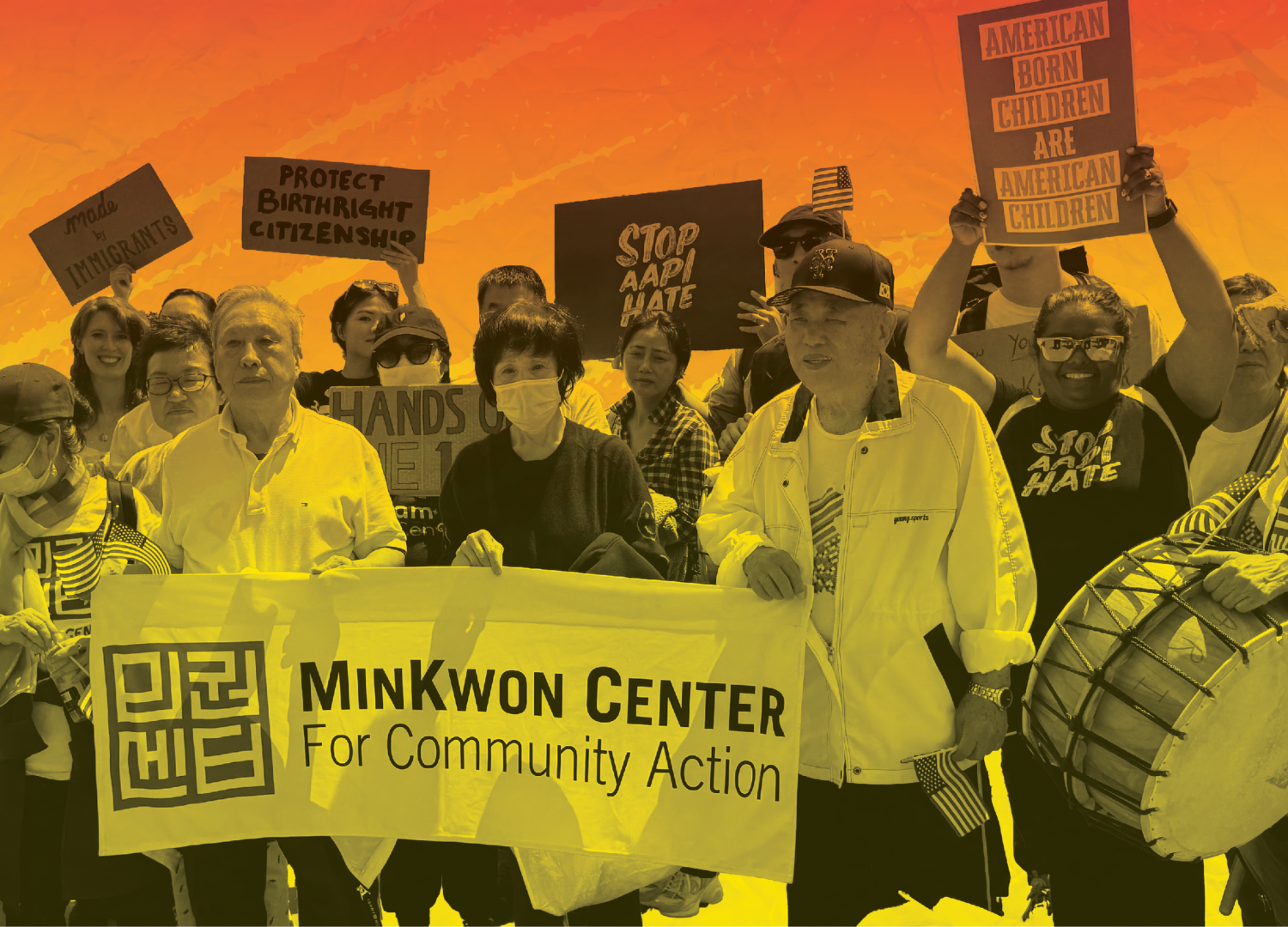
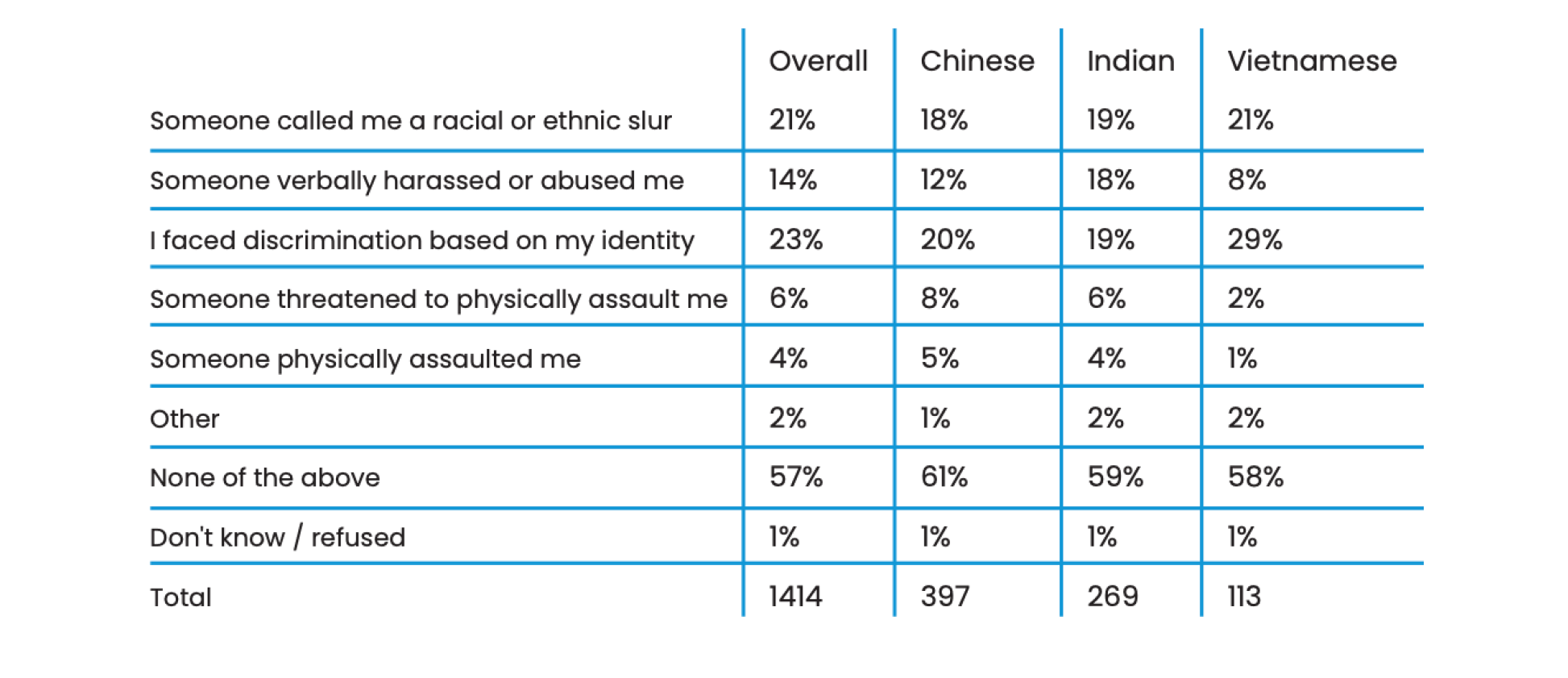
Here in Massachusetts, 40% of Asian and Pacific Islander Americans surveyed last year by the Massachusetts Asian American Pacific Islanders Commission experienced being called a racial or ethnic slur or faced discrimination based on their identity, or verbal harassment or abuse, threats of physical harm, and even physical assault.
Dr Aditi Ahlawat delivered a presentation to her fellow City Seal Task Force members that focused on the lived experiences of members of the AAPI community. As part of her presentation, she played this powerful video in which Asian Americans discuss the hate they have personally experienced.
Local AAPI Community Harassed Online For Views on Seal
While researching the public dialogue around Salem's city seal, I have frequently thought about this passage from Ijeoma Oluo's book So You Want to Talk About Race:
"Often, being a person of color in a white-dominated society is like being in an abusive relationship with the world. Every day is a little hurt, a new little dehumanization. We walk around flinching, still in pain from the last hurt and dreading the next. But when we say "this is hurting us," a spotlight is shown on the freshest hurt, the bruise just forming: Look at how small that is, and I'm sure there's a good reason for it. Why are you making such a big deal about it? Everyone gets hurt from time to time"—while the world ignores the rest of our bodies are covered in scars. But racial oppression is even harder to see than the abuse of a loved one, because the abuser is not one person, the abuser is the world around you, and the person inflicting pain in an individual instance may themselves have the best of intentions." (page 19)
Given the prevalence of anti-Asian hate, it's sadly unsurprising that AAPI residents advocating for changing the seal are being subjected to verbal abuse, erasure and gaslighting.
Here are a few examples of online ridicule that has been targeted at City Seal Task Force members, AAPI residents, and City Councillors who support changing the seal.


Some commenters even said that anyone offended by the seal should leave Salem.
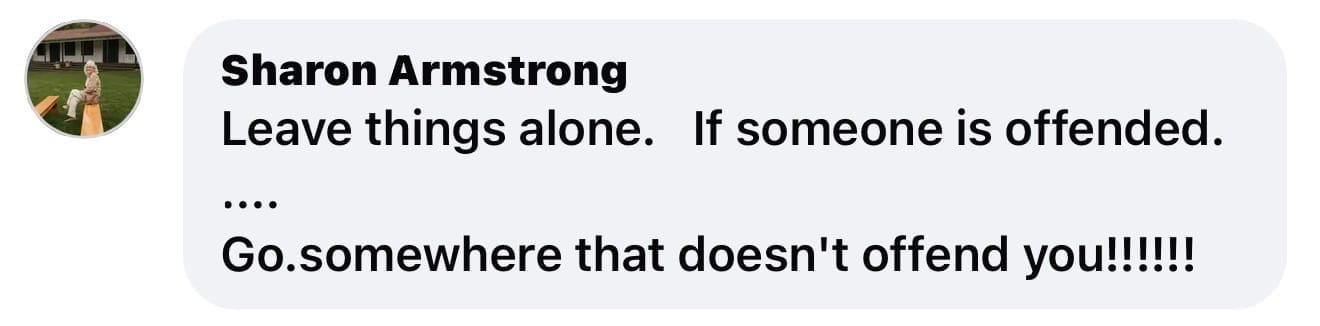
Is it any wonder that some AAPI residents have said they don't feel welcome here?
Racial Gaslighting
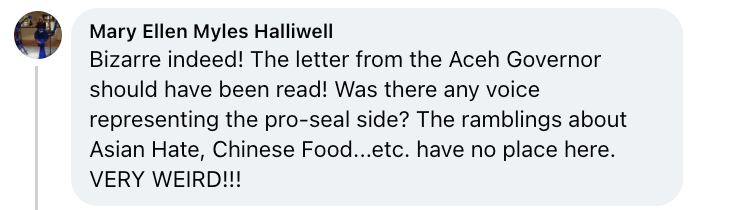
Many posts trivialize the seal's harm on the AAPI community, which is a common tactic in racial gaslighting. A common refrain is that residents who are hurt by the seal are "too sensitive." Here is a selection of Facebook comments in response to Dr Aditi Ahlawat's "Centering AAPI Diaspora" presentation to the City Seal Task Force (that included the moving video shared above).
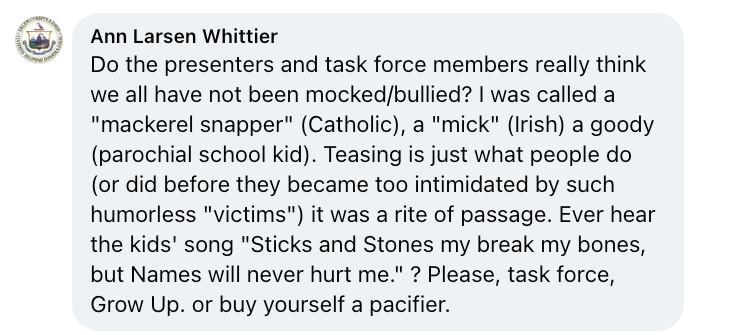
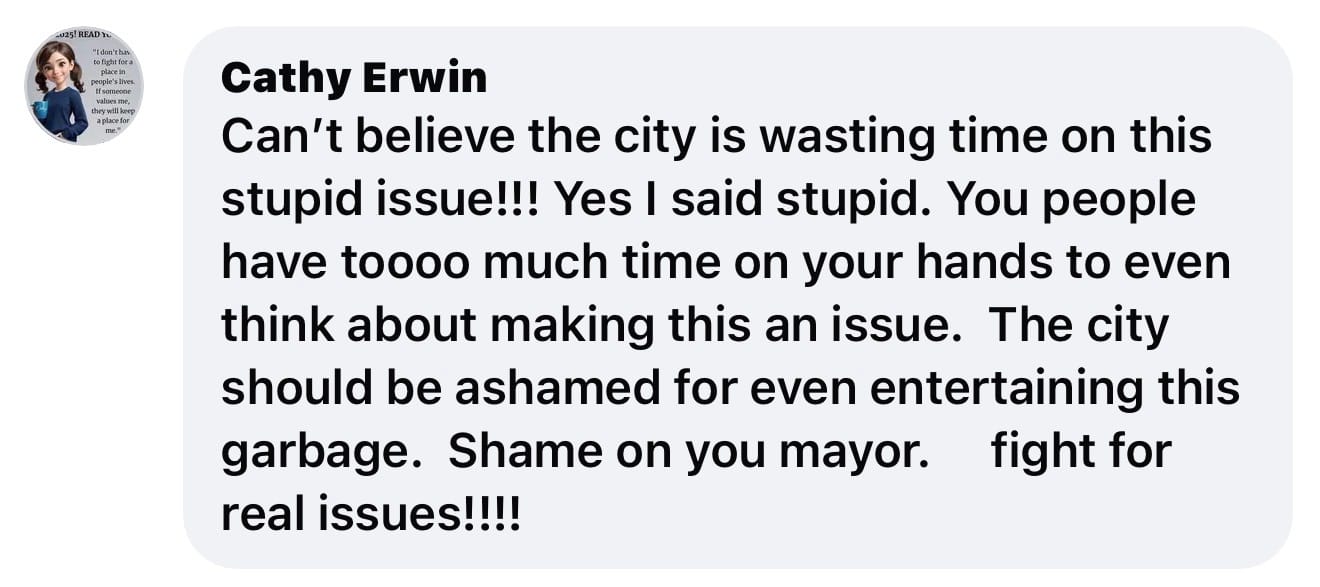
Countless comments dismissed the City Seal Task Force's work as a "waste of time" or city resources, which is another way of trivializing the seal's harmful impact. Here's one of many examples of remarks expressing this sentiment:
This viewpoint was also expressed during public testimony at City Council meetings. For example, at the Council meeting on September 26, 2024, John Carr declared deliberations about the current seal "a complete and utter waste of this body's time and energy."
Erasure of AAPI Perspectives
Many white proponents of the seal insist there is "no reason" to change it. This is abusive to AAPI residents who have spoken out against the seal's harmful impact on their community. It also erases their perspectives from the public dialogue about the seal.
During his public testimony at the City Council meeting on September 12, 2024, Justin Whittier said, "Voting to change the seal is voting to efface a part of our history for no reason." At the Council meeting held two weeks later he said: “We have been given no reason to replace it other than highly idiosyncratic reactions largely based on misunderstandings of what the seal is and what it represents."
Whittier had opened his remarks by saying, "The arrogance of this conversation is astounding." I couldn't agree with him more. Any white person who claims to know more about racism than those harmed by it is absolutely arrogant.
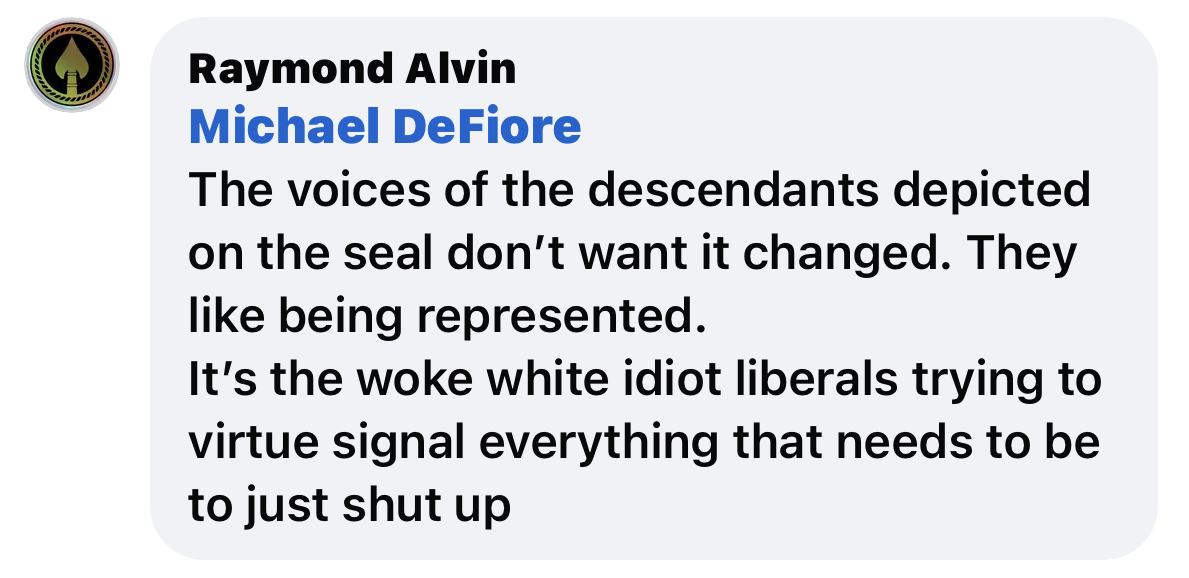
A common refrain online blames "white liberals" for this current debate, which is another way of erasing AAPI voices. Often this assertion is accompanied by claims that the Acehnese people don't find the seal offensive. (Read here why this prioritization of Acehnese perspectives is so problematic.)
Others insist the seal cannot be problematic because they have never heard any complaints about the seal, which is another form of racial gaslighting.
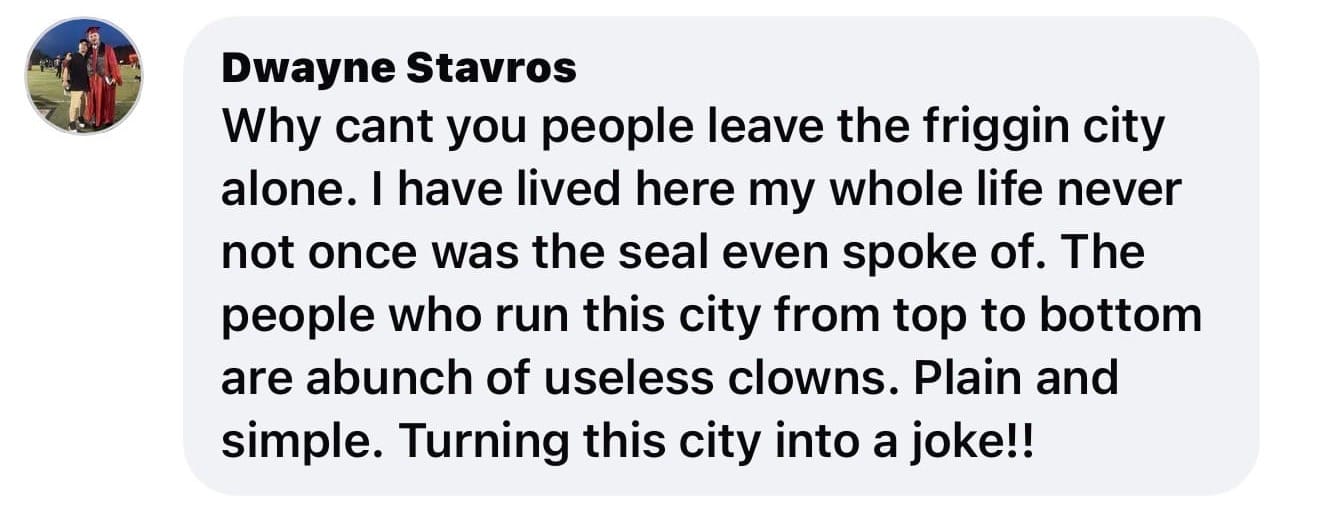
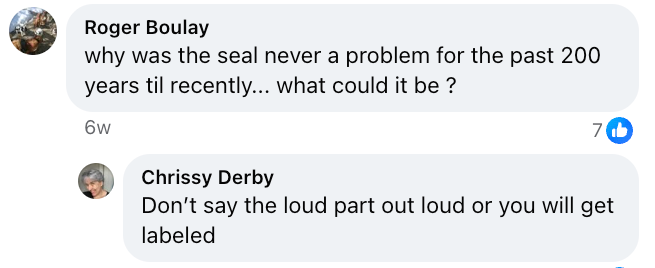
This claim that "no one" in Salem opposes the seal has been so common that Dr. Aditi Ahlawat pushed back on it during her public testimony at the City Council meeting on September 26, 2024. She said:
I heard someone say that they weren’t even aware of anyone who felt the seal needed to be changed. That made me feel extremely invisible in this community. It also made me wonder how many of us have to speak before seal supporters will acknowledge that there’s a concern in this Asian community. Us living breathing Asian people who live in Salem.
(Ahlawat made these remarks before the formation of the City Seal Task Force, which had been approved that night.)
Racial Gaslighting By Task Force Historians
The City Seal Task Force's designated historians, Dr. R. Michael Feener and Vijay Joyce, have repeatedly displayed willful ignorance about white privilege, racial bias, and systemic racism. They too have engaged in racial gaslighting in their ardent defense of the city seal.
In his essay for the City Seal Task Force Report, Feener asserts that in order to combat systemic racism we must honor morally upstanding white historical figures. He writes:
Systematic racism is reality in this country, and one that needs to be critically and meaningfully addressed at all levels. This requires a serious consideration of the ways in which that legacy continues to affect the lives of people today, and an acknowledgement of the ways that moral progress was made by committed individuals and small groups of activists in the past – sometimes the fact of considerable opposition.
I had to read this paragraph several times because I couldn't believe it. The United States is a country that was built by slaves on land stolen from Native Americans. Our forefathers owned slaves and built a government that heavily favors white people and disenfranchises BIPOC people.
The laws and policies in place today are still working exactly as our forefathers had intended. There are racial disparities in nearly every facet of life in the United States, including: income, life expectancy, pregnancy related deaths, miscarriages and infant mortality, incarceration rates, prison sentences. White people are less likely to be searched or arrested or experience force during encounters by the police. Applicants with white sounding names are more likely to be called for an interview than applicants with Black sounding names. There are countless more examples of racial inequalities in the U.S.
It is laughable to think that honoring "good white people" in history will impact the systemic inequalities deeply entrenched in our government, laws, and economy. This assertion that we must keep a city seal that local AAPI residents find harmful in order to fight systemic racism is epic gaslighting.
Misappropriating Martin Luther King's "I Have a Dream Speech"
Feener has repeatedly asserted that the Acehnese people are honored by Salem's city seal. He emphasized this view during his City Seal Task Force presentation about the Sumatran maritime history and culture.
After his presentation, Dr. Aditi Ahlawat expressed frustration that Feener—a white man—was purporting to represent the views of 5.5 million Acehnese people. She also took issue with his persistent disregard for the Salem's AAPI community:
"It seems like Salem somehow owes it to the Acehnese to keep the seal even if...Asian members of the Salem community find it offensive....Michael—I don't want to make assumptions about your cultural roots, but you don't look like me. You don't look like Rachel. You don't look like Pui Chi. You don't look like Regina ...and you're the representation of the voice of Aceh [that says the seal is ok]....What I see as the end result folks who raised this issue have been sidestepped repeatedly to center voices of people from halfway across the world. This was a Salem resident conversation. I also want to add to this that anyone who has spoken in favor of changing the seal has been harassed relentlessly....I feel so powerless that someone who looks like me, who lives in this city, is made to feel this way just for bringing up an issue and wanting things to change here."
In response, Feener double downed on his view that Acehnese perspectives were crucial to deciding the current seal's fate. Then, he expressed resentment for being viewed as a white man:
"Evaluating my input based on...the color of my skin rather than the content of my character, right? Seeing that somehow because I look like this that I'm necessarily in a kind of assumed positionality on this issue, I do find very troubling. That's the kind of sentiment that I really cannot just let slip, right? If this entire is simply about the secondary physical characteristics of race that we display physically, I think that bodes very very ominously for any kind of civic discussion"
Feener's response to Ahlawat demonstrates his poor grasp of white privilege and racism. For decades, conservatives have been evoking this famous line from Dr. Martin Luther King's "I Have a Dream Speech" to justify rolling back affirmative action, the Voting Rights Act, racial employment quotas, and other initiatives designed to promote racial equity. They've even used this line from M.L.K's speech to oppose critical race theory and make spurious claims of reverse racism.
As I noted above, we live in a country in which our skin color determines our wealth, professional success, health and physical safety. Misappropriating Dr. King's speech to deny the realities of white privilege might seem more polite than the abusive Facebook I shared comments above, but it is still abusive behavior.
Civil Rights Organizations Standing with the Local AAPI Community
It should come as no surprise that several state and local civil rights organizations are standing in solidarity with the local AAPI community in calling for the city seal to be changed. The City Seal Task Force received letters of support from the following organizations:
- Asian Pacific Islanders Civic Action Network Massachusetts
- Latino Leadership Coalition
- Massachusett Tribe at Ponkapoag
- Massachusetts Asian American and Pacific Islander (AAPI) Commission,
- NAACP North Shore Branch, and
- North Shore Alliance for LGBTQ+ Youth (NAGLY).
In their letter, the Massachusetts Asian American and Pacific Islander (AAPI) Commission wrote the following:
"...We believe that people, particularly people of color, should not be used as mascots in official imagery, and that other depictions of POC should come from within their own communities....Retiring harmful imagery will send a powerful message to future generations: that Salem is a city committed to honoring diversity, fostering unity, and ensuring that all residents see themselves in its civic identity."
Additional Resources
 Adrian De Leon, The Conversation


 Tyler Parry
 Dr. Allison Wiltz
 Matt Khapra-Reininger