Massachusetts is one of the least affordable states in the country, especially for renters. Here in Essex County renters spend on average 39 percent of their income on housing, which is higher than the state average of 35 percent. Here are the percentages for local towns based on data from 2020-2024 in the Impact Essex County database.
| Percentage of Income Spent on Rent | |
|---|---|
| Beverly | 41% |
| Hamilton | 49% |
| Lynn | 44% |
| Marblehead | 29% |
| Nahant | 43% |
| Rockport | 45% |
| Salem | 38% |
| Swampscott | 37% |
To put these percentages in context: households that spend over 30% of their income on housing costs are considered cost-burdened, according to the U.S. Department of Housing and Urban Development (HUD). Households that spend over 50% of their income on housing costs are severely cost-burdened. Last year the MassINC Policy Center reported that half of all renters in Lynn, Peabody and Salem are cost-burdened.
Black and Latino/Hispanic renters are cost-burdened at significantly higher levels than white renters, according to the 2025 Greater Boston Housing Report Card released by the Boston Foundation in November. Enacting rent control promotes racial equity.
LGBTQ+ adults in Massachusetts are more likely to rent than own their homes, compared to straight cisgender adults. In 2023, Massachusetts Department of Public Health conducted a Community Health Equity Survey that found over 1 in 5 adults who identify as transgender worried about losing their current housing, almost 3 times the rate of cisgender adults. Enacting rent control promotes queer equity.
Further Reading
Financial Self-Sufficiency
An Initiative of the Essex County Community Foundation
 Kevin Smithwick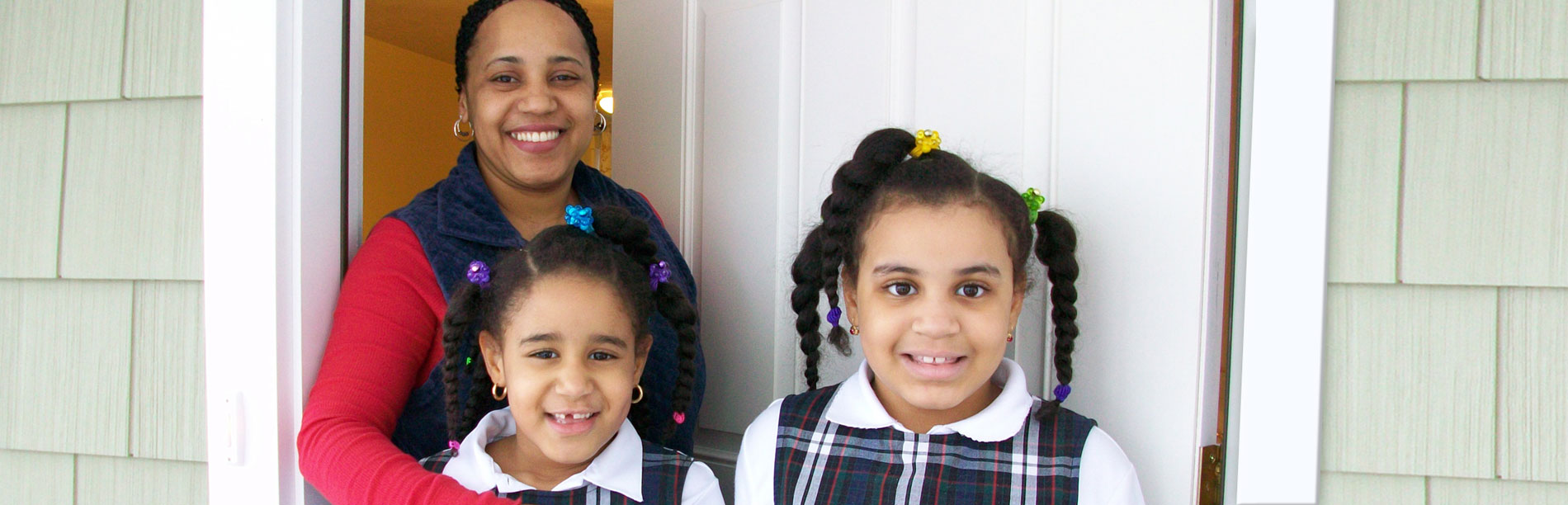
2025 Gateway Cities Housing Monitor | Chapter 2: Housing Affordability - MassINC
Another year of homes getting more expensive for Gateway City residents. For generations, Gateway Cities have been the commonwealth’s affordable places to live, offering families a foothold in both the rental and homeownership markets. Affordability in these communities has mostly come from an abundance of naturally occurring affordable housing (NOAH)—older homes and apartments that rented
 Elise Rapoza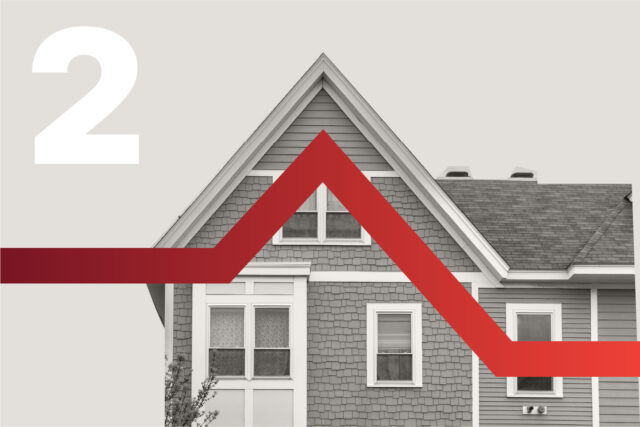
HOUSING STABILITY MONITOR: Massachusetts Evictions & Foreclosures - Massachusetts Housing Partnership